The Promise of Potential in Leadership Development Success

Part I
“Leaders are developed over time and with great care.” (Randolph, 2019)
The essence of that time and care in leader development is the promise of potential.
Most people want to succeed and hope their supervisor, manager, or leader will help them achieve it. Although ‘hope is not a method’ (Sullivan, 1996), we cannot always account for what someone else will or won’t do. However, helping your charges succeed, recognizing their potential, and pursuing it are the responsibilities of any leader. These responsibilities are seen as promises. Keeping those promises is paramount to leadership development success.
Who Cares about Potential?
An interesting thing about the military is the ceremonies. Soldiers are showered with praise during Army promotion ceremonies, being described as having “special trust and confidence, patriotism, valor, fidelity, professional excellence, and dedicated service.” You may have employees and current leaders with the same qualities. While those accolades are admirable, the most important quality is demonstrated leadership potential. A person can have all the commendations above but lack potential. The hard part for CEOs isn’t cultivating potential in developing leaders; it’s telling those without it. So, who cares about potential? The CEO cares because it may determine the organization’s future success.

Estimated reading time: 4 minutes
Key Takeaways
- Developing leaders takes time and care, focusing on recognizing and cultivating potential.
- Leaders must affirm and share potential to empower individuals and organizations.
- Potential ignites passion, inspires purpose, initiates planning, induces power, and increases productivity.
- The journey of cultivating potential requires discipline and varies for each individual.
- The promise of developing leadership potential is essential tor organizational success.
Why is Potential Part of Leadership Development Success?
Oxford Languages defines potential as “having or showing the capacity to become or develop into something in the future.” Because potential is always forward-looking, those without it stall as they try to climb the corporate ladder and may, in some cases, lose their livelihood. Genuine leaders want their charges to succeed and excel up the corporate ladder. That is why the promise of developing leadership potential matters, because potential is not an intrinsic characteristic.
As you can see in the photos, I wanted to show that most of us can’t reach our potential on our own. We need help. That’s why leadership development includes identifying and cultivating potential. Once leaders recognize potential in others, they have an obligation to share that assessment. This gives everyone and everything – the person, the supervisor, co-workers, and the organization enormous promise.
What Promise does Potential Provide?
Once a leader affirms someone’s potential, it can open a whole new world. In a perfect world, this newfound attribute would bring mentors and coaches out of the woodwork to help with someone’s leadership development. But because we live in the real world, we must capitalize on the promise that potential can bring.
- Ignites Passion. Gives a person the enthusiasm to pursue what they love.
- Inspires Purpose. When people know the why, they can go in the right direction.
- Initiates Planning. Believing in themselves allows people to start planning for their future success.
- Induces Power. When leaders believe in someone, they invest in them by delegating, which shares their power.
- Increased Productivity. When someone has their superiors’ trust, they generally want to do more.
Unfortunately, none of this happens overnight, and it requires great discipline.
With Time and Great Care
Because leaders develop over time and with great care, so does potential. The list above is just the start of the journey. In my experience, those five characteristics generally come first, but not necessarily in that order or simultaneously. We all grow, develop, and are motivated differently, so how we process this information differs. I suggest leaning in and cultivating these traits to prepare for the next part of the leadership development journey.
References:
Randolph, Jr., B. W. (2019). Inspired, not retired: Leadership lessons from father to son. Amazon Kindle Direct Publishing
Sullivan, G. R., and Harper, M.V. (1996). Hope is not a method: What business leaders can learn from America’s Army. Broadway Books.
Related links:
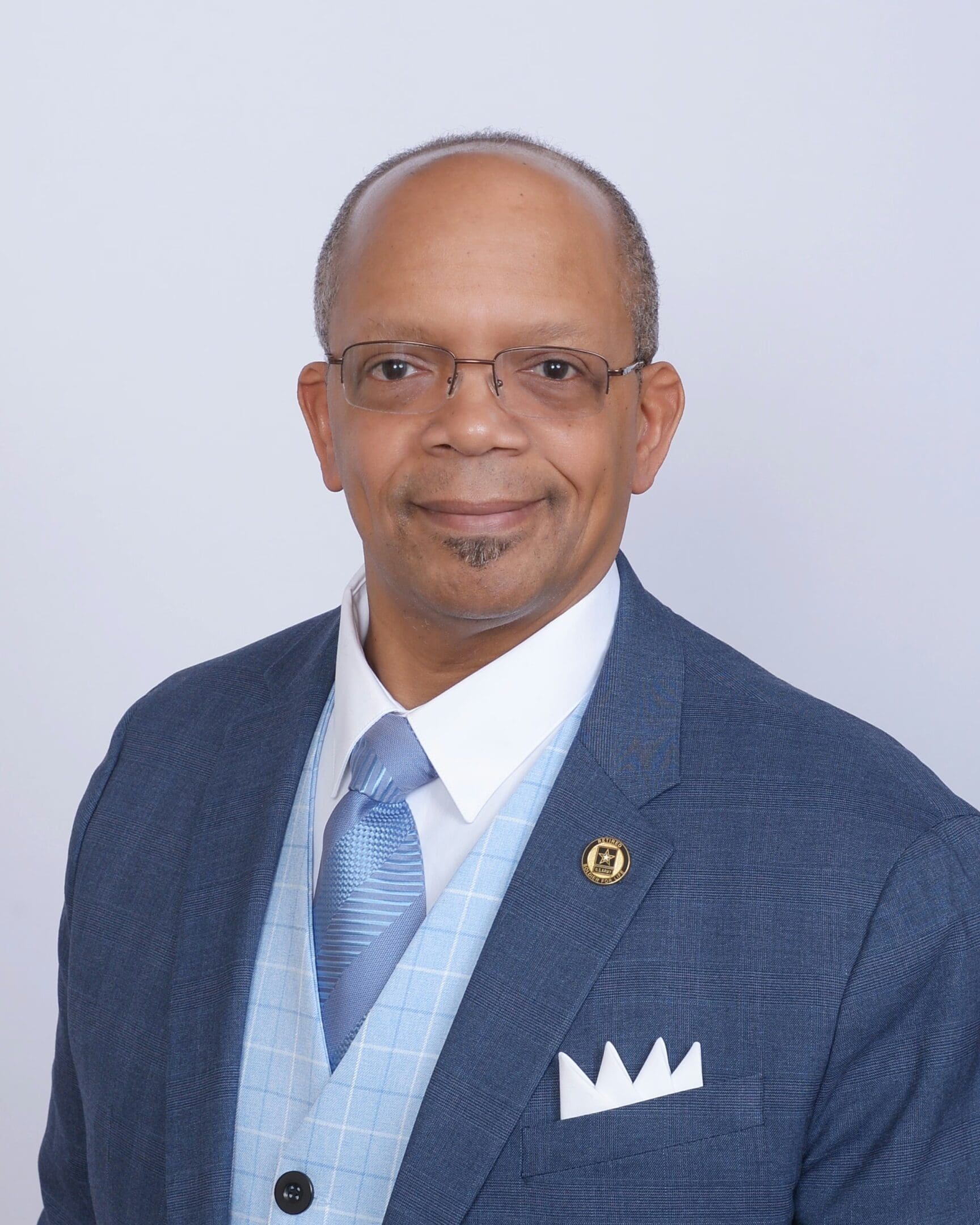
Dr. Burl Randolph, Jr., DM, Founder, MyWingman, LLC
Dr. Randolph is The Wingman for Inspired Leaders as he Inspires Legacies That Last (c). He coaches leaders to Find Your Purpose, Fulfill Your Mission, and Forge Your Legacy with Fervent Success. Schedule your Consultation without a Fee through the Contact Us page using the Let's Chat button or by email at info@mywingmanllc.com.
Let us be Your Wingman, using our expertise to inspire a legacy that lasts.

Leadership & Management Coaching
Looking for executive leadership or management coaching? Give us a call.

Strategic Planning
Gearing up for your next strategic planning session? Let’s Chat.
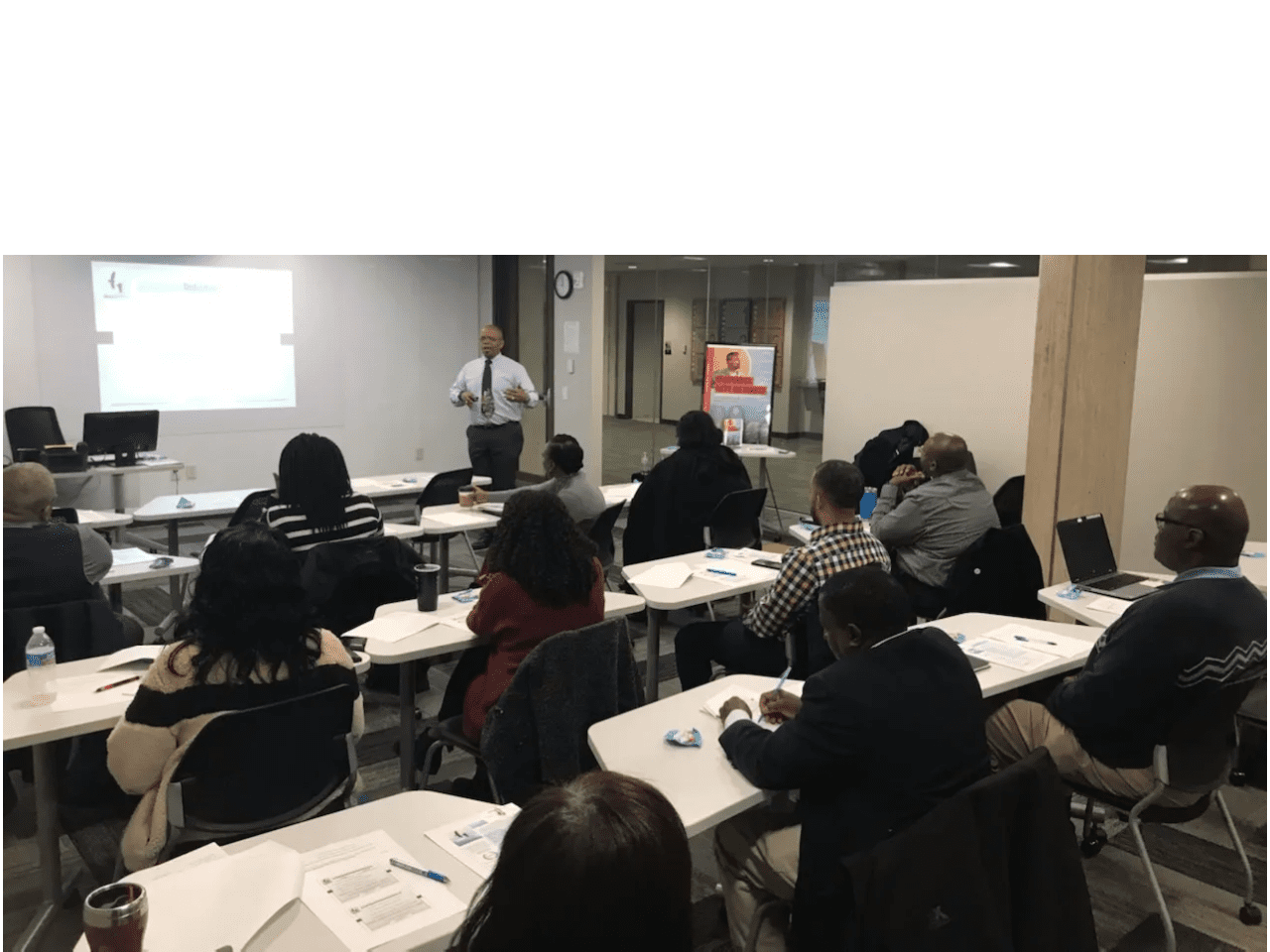
Corporate Training
Preparing for your next training session? Let’s Talk.

Writing Services
Need help writing your Great American Novel? Let us help.

Guest Speaker
Need a guest speaker? We can meet your needs.