Talent is Never Enough: Why I Needed a Coach, Part III

“Proceeding from a false premise usually produces false results.”
At the beginning of my Army career, I believed that the key to success was competency, often referred to as talent. With my recent successes in promotion and CEO selections (Why I Needed a Coach, Part II), I assumed this proved my hypothesis, but my premise was faulty. The only things those two events proved were what they say in the financial markets:
“Past performance is not indicative of future earnings (or performance).”
I was entering a new phase of my career and desperately needed a coach, but was unaware of it.
An Unlikely Intel Coach
My career dramatically changed prior to Operation Iraqi Freedom. First, with the pending promotion, I had never served as a senior intelligence officer for a strategic unit with national security implications. As the senior-most intelligence officer, I felt ‘stuck like Chuck’ and just needed to execute my training. Second, the scope of my CEO responsibilities was about to change from tiny to humongous, since my CEO experience was at a much smaller scale than my upcoming assignment. I still figured, however, that my talent was enough. My coaching for both, though, came from an unlikely source.
Enter, Colonel Big
After my first or second briefing in Iraq, Colonel Big, the Coalition Joint Task Force (CJTF) Commander, took me aside and provided my first intel lesson.
“2, just remember, it doesn’t matter if those guys belong to us or not, we gotta feed ’em, fuel ’em, hug ’em, and love ’em, just like our own. That’s part of how you’ll get the intel we need.”
Colonel Big was modeling that behavior as we grew the organization, and he welcomed new units and members with open arms. That was the second intel lesson:
“You cannot influence people or situations you turn away from or keep at arm’s length.”
I could no longer allow the formalities of rank, position, or protocol to dictate how I gathered my intelligence. This was the beginning of many sidebars with Colonel Big, since the intel I supplied was for him and the decisions he had to make. Little did I realize he was coaching me. That is the third intel gem:
“Coaching is not dependent on your expertise, but the expertise of the coach.”
Although Colonel Big was not an intel officer, he was a combat arms officer who was the biggest consumer of my wares. With over 25 years of service, he knew some of the best techniques to help me, his new CJTF G2, succeed. The sharing of his expert analysis and experience did not end there.
My First CEO Mentor
After several weeks of fighting, clearing WMD sites, and successes, Colonel Big took me under his wing, and we were practically joined at the hip. I was promoted to Lieutenant Colonel in early March 2003, and Colonel Big learned that I was an Army CEO selectee, which significantly enhanced his view of me. Once operations slowed down, we took a road trip to the Coalition Joint HQ. Colonel Big only said one thing to me before we entered the first office:
“This is how business is done at this level.”
I had just received my first CEO lesson. Colonel Big spoke with the Colonel C-level directors and knew them all. Colonels are the second-smallest rank of Army officers, after Generals. I saw some of my former peers working as assistants at the CJ HQ, and they were still Majors. That’s when the second CEO lesson occurred.
“Burl, this level is exclusive. Most of your peers won’t make the cut, and you will likely know all the ones that did and meet new ones. At this level, these relationships are how you’ll get things done.”
Even with that wonderful mentoring nugget, my thinking was still, ‘But what about competency?’
Why Talent is Never Enough
Dr. John Maxwell coined the concept “Talent is Never Enough” and developed four key takeaways, with my focus on the main one:
“What got you to this level may not make you successful at this level or beyond.”
In the blink of an eye, I jumped from the operational senior officer level to the strategic senior leader level. This caused me to ponder what was actually happening and posit,
“Once you break a glass ceiling, no matter how talented you are or become, you will always need coaches and mentors to guide you through these new leadership labyrinths.”
This same maxim held true when I was promoted to Colonel and held Brigade-level CEO positions. I recorded all of Colonel Big’s coaching and mentoring recommendations and embraced seeking coaching and mentoring in my new field as a CEO. Talent really is never enough.
Some questions you might ponder:
- Have I been surviving only off my talent?
- Am I prepared for my next big promotion?
- If you are in your next position, have you quickly discovered that talent is not enough?
Whatever situation you are in, Let’s Chat.
The main philosophy of The Randolph Roadmap for Inspired Leaders is:
“We meet you where you are, to help you get where you want to be.” (c)
A one-hour consultation without a fee may be the best use of your time for the price.
I began at the bottom of the leadership roadmap and made my way to the top. Why can’t you?
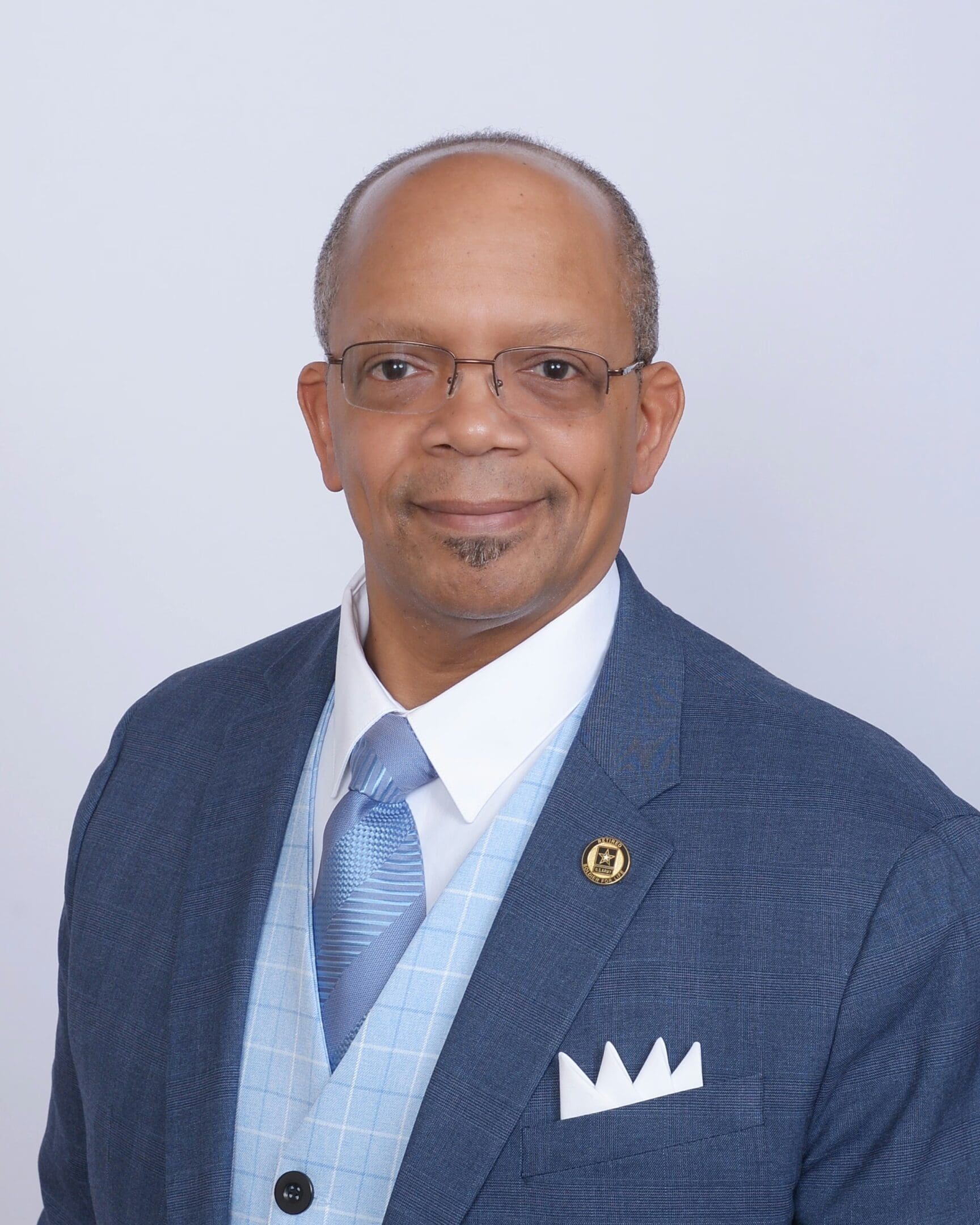
Dr. Burl Randolph, Jr., DM, Founder, MyWingman, LLC
Dr. Randolph Inspires Legacies That Last (c) by coaching you to Find Your Purpose | Fulfill Your Mission | Forge Your Legacy with Fervent Success. Schedule your Consultation without a Fee through the Contact Us page using the Let's Chat button or by email at info@mywingmanllc.com.
Let us be Your Wingman, using our expertise to inspire a legacy that lasts.

Need help writing your Great American Novel? Let us help.

Gearing up for your next strategic planning session? Let’s Chat.

Gearing up for your next training session? Let’s Chat.

Looking for leadership or management coaching? Give us a call.

Need a trainer or guest speaker? We can meet your needs.