Unconsciously Competent: Why I Needed a Coach, Part II

“Sometimes we do not truly appreciate our abilities.”
A coach identifies those blind spots to help us become our best selves.
In the Conscious Competence Learning Model (Curtiss & Warren, 1973), we may all experience the four stages. But my interpretation and application of the stages are a little different than what the model may suggest. Why? Because this is my blog. For brevity’s sake, I will provide the short versions of each stage.
Conscious Competence Learning Model
1. Unconsciously Incompetent (Ignorance) ‘We don’t know that we don’t know.’ Failing to acknowledge what we do not know can create a dangerous mindset. This may cause a person to attempt to perform or make decisions beyond their capabilities and refuse to accept reality.
2. Consciously Incompetent (Awareness). ‘We know that we don’t know.’ Because I believe most people begin at this stage when they first enter the workforce or school, it contradicts the model. This creates a learning mindset that makes us pliable to learning new skills.
3. Consciously Competent (Learning). ‘We know that we know that we know,’ and it shows in our performance. Concentration is required to be successful at this competency level. Again, I believe this contradicts the model and is the mastery stage.
4. Unconsciously Competent (Mastery). We are blissfully unaware of how competent we are, and perform out of habit because the tasks have become second nature. We can multitask and teach others.
Conscious versus Unconscious Competencies: Incongruent?
To me, the definitions for Consciously Competent and Unconsciously Competent are incongruent with the terms. Competently performing out of habit inhibits our ability to take full advantage of our skill set. This aligns with Tacit Knowledge: knowledge that lies beneath the surface, is second nature to us, yet we are unaware of it. Being conscious of how we perform is the true mastery that most of us pursue. Unconsciously Competent, however, leaves us in a learning mode because we have a blind spot. Coaches are trained to help us become better by highlighting our great qualities.
My Unconscious Competency Experience
As a senior Major, I applied to be the Executive Officer to a Senior Executive Service (SES) II, which is the civilian government service equivalent of an Army four-star General (FederalPay.org, 2021). Mr. Dan was a retired Army Colonel, had been with the three-letter agency since its inception, and had a wealth of knowledge. After the pleasantries of ‘Hello’ and ‘Why do you want this job?’, the conversation took an unexpected turn.
“You have the best record of any Major I have ever seen, including me when I was a Major. This job would be a waste of your talent,” said Mr. Dan. “I will not consider you any further.” Stunned, I thanked him and left. In a daze, I returned to my cubicle and realized I had fallen victim to what I call the Assume Syndrome.
Elements of the Assume Syndrome
a. I assumed that my peers knew what I knew.
b. I assumed that my peers performed the way I performed.
c. I assumed that I performed no better than my peers.
Are you suffering from Assume Syndrome?
Stuck in a job or position that you dislike, but stay because you sincerely but wrongly believe it’s the best you can do, while everyone sings your praises?
Are you Unconsciously Competent, but do not know you are suffering from Assume Syndrome?
If this sounds like you, you have a blind spot and need a coach.
The Paul Harvey (The Rest of the Story)
Shortly after my experience with Mr. Dan, the Army Competitive Category Lieutenant Colonels (LTC) list was published. Out of six Army Majors in the section at the time, I was the only one selected for LTC. About two weeks later, the Army Command Select List (CSL) was released. Out of eight Army officers, two LTCs and six Majors, I was the only one selected for Battalion Command (a CEO position in the Army). This was when I truly realized that I had been Unconsciously Competent and had to ask myself:
“How many opportunities had I missed by not realizing my true capabilities?“
Does this sound like you?
How will you overcome the Assume Syndrome to feel Consciously Competent?
Will you seek coaching to cover your blind spot?
At MyWingman, LLC, we can help you transform from assuming to knowing your capabilities. Set up an appointment at Let’s Chat.
Please Comment, Like, Share, and Subscribe to Dr. Burl’s Blog.
References:
Civilian to military rank. (2021). Civilian to military rank. FederalPay.org. Retrieved from https://www.federalpay.org/articles/civilian-to-military-rank
Curtiss, P. R., Warren, P. W. (1973). The dynamics of life skills coaching. Life skills series. Training Research and Development Station, Dept. of Manpower and Immigration, OCLC 4489629, 89. Saskatchewan: Prince Albert
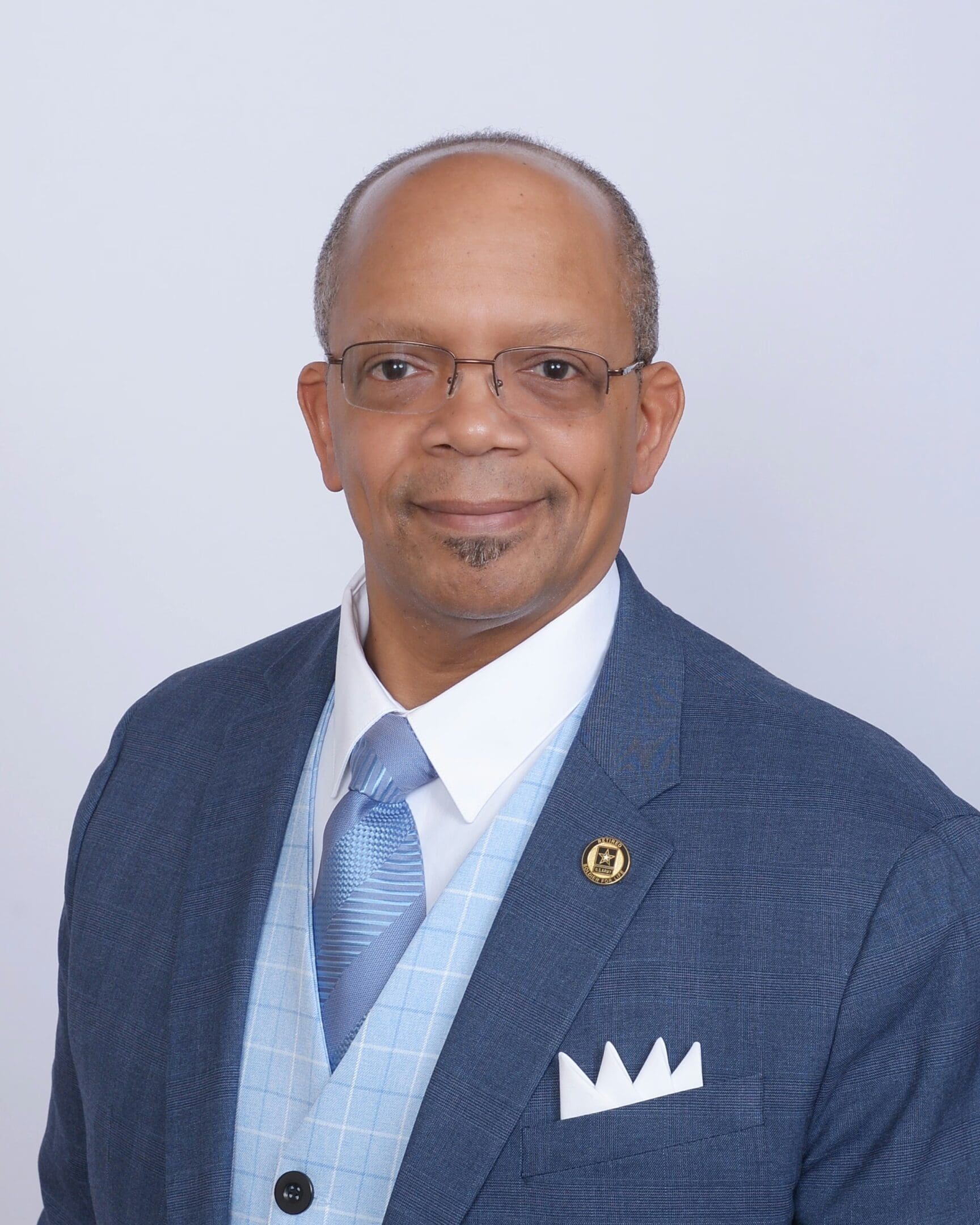
Dr. Burl Randolph, Jr., DM, Founder, MyWingman, LLC
Dr. Randolph Inspires Legacies That Last (c) by coaching you to Find Your Purpose | Fulfill Your Mission | Forge Your Legacy with Fervent Success. Schedule your Consultation without a Fee through the Contact Us page using the Let's Chat button or by email at info@mywingmanllc.com.
Let us be Your Wingman, using our expertise to inspire a legacy that lasts.

Need help writing your Great American Novel? Let us help.

Gearing up for your next strategic planning session? Let’s Chat.

Gearing up for your next training session? Let’s Chat.

Looking for leadership or management coaching? Give us a call.

Need a trainer or guest speaker? We can meet your needs.