Why Good CEOs Don’t Accept ‘Okay’

“Some terms are used ad nauseam.”
We often ask people how they are doing or how things are going, and they respond, “It’s okay,” or “Everything is okay.” According to the tone of the response – positive and upbeat, monotone, or negative and dismayed, we determine if we believe the person. Because we use the term so much, what does ‘okay’ mean?
Merriam-Webster defines okay as “satisfactory, acceptable, or alright.” Taking this a step further, all three words mean “sufficient, good enough, but not better than acceptable.” As a leader, I never liked the term ‘okay’ in my profession because to me, it meant mediocre. My perspective, however, changed even more when I became a CEO.
What Does Okay Mean to a CEO?
I may have mentioned in previous blogs that Army CEOs are extensively vetted and undergo multiple leadership and personality assessments, especially at the Colonel level. One comment about me that puzzled me was,
“Accept that the ‘average’ will always be ‘average.’”
I always wondered, ‘Why would someone write that?’ Because the comments were not attributed, there was no way to know who made them. As I thought about the comment, I surmised, ‘The observer has never been a CEO.’ From my perspective, the term ‘okay’ should not be in a CEO’s vocabulary, and for many reasons.
Why Good CEOs Don’t Accept Okay as a Measure of Success
I had a newsletter editor who once said to me, “Finally, you didn’t make any corrections,” and I thought, ‘Finally, you got it right!’ CEOs are motivated by more than just accepting the status quo, and ‘okay’ is NOT an acceptable measure of success.
- CEOs get paid too much to settle for okay. When you speak with the people who work with and for you, you discover that they notice the tremendous pay difference. The better the organization does, the more options there are to increase pay appropriately. Settling for okay does not allow that to happen.
2. The scope of the position does not allow CEOs to accept ‘adequate.’ CEOs must execute the present mission while pursuing tomorrow’s vision and while considering yesterday’s performance. CEOs must synchronize operations between the tactical, operational, and strategic levels to ensure that the organization remains competitive.
3. Strategic thinking and planning cannot accept ‘average’ results. Strategic thinking and planning cannot accept minimalist attitudes. Trying to ‘just get by’ is a certain path to failure.
Two CEO Possible Personality Flaws
4. A CEO with an ‘okay’ outlook is a detriment to the organization. The saying in sports is, “It’s easier to fire one coach than the entire team.” The same is true in business and just about any organization. If a CEO’s attitude is that ‘okay will do,’ it will spread throughout the organization like wildfire, leading to a clear demise.
5. A CEO who settles for ‘good enough’ will only produce average-adequate- good enough, and okay leaders. Crouch’s Conundrum says, “Leaders must always bring their ‘A’ game because no one asked you to be their leader; you volunteered for the job.” This is a conundrum because many leaders want to remain ‘one of the peeps,’ as they lead their organization to victory. No leader at any level is just one of the peeps (people). CEOs must exemplify what it means to be a leader.
Leadership is serious business that requires the proper mindset.
Leaders and Leadership Defined
I have always loved the definition of leaders and leadership by Shelley Kirkpatrick and Edwin Locke:
”…leaders are not like other people,”[i]
“Leadership is a demanding, unrelenting job with enormous pressures and grave responsibilities. It would be a profound disservice to leaders to suggest that they are ordinary people who happened to be in the right place at the right time.”[ii]
Exchange the words leadership and leaders with CEO, and that is the everyday description of a CEO’s life. Could this be the reason CEOs do not and cannot accept, okay?
Why Not Okay?
Too much is at stake for CEOs to only settle for okay. CEOs must strive for and fight every day to move the organization up and to the right (High-High). The company’s life, its people, and their very lives depend on it. This is why ‘okay’ is not okay – people’s livelihoods may hang in the balance based on producing above-average results.
Are you just an ‘Okay’ kind of CEO?
How will you move your organization from okay to excellence?
Let’s chat.
[i] Kirkpatrick & Locke, 1995, p. 143
[ii] Ibid
Kirkpatrick, S. A., & Locke, E. A. (1995). Leadership: Do traits matter? In J. Thomas Wren (Ed.), Leader’s Companion: Insights on leadership through the ages (pp. 133-143). New York: Free Press. (Reprinted from Academy of Management Executive. 5 (1991), 48-60.)
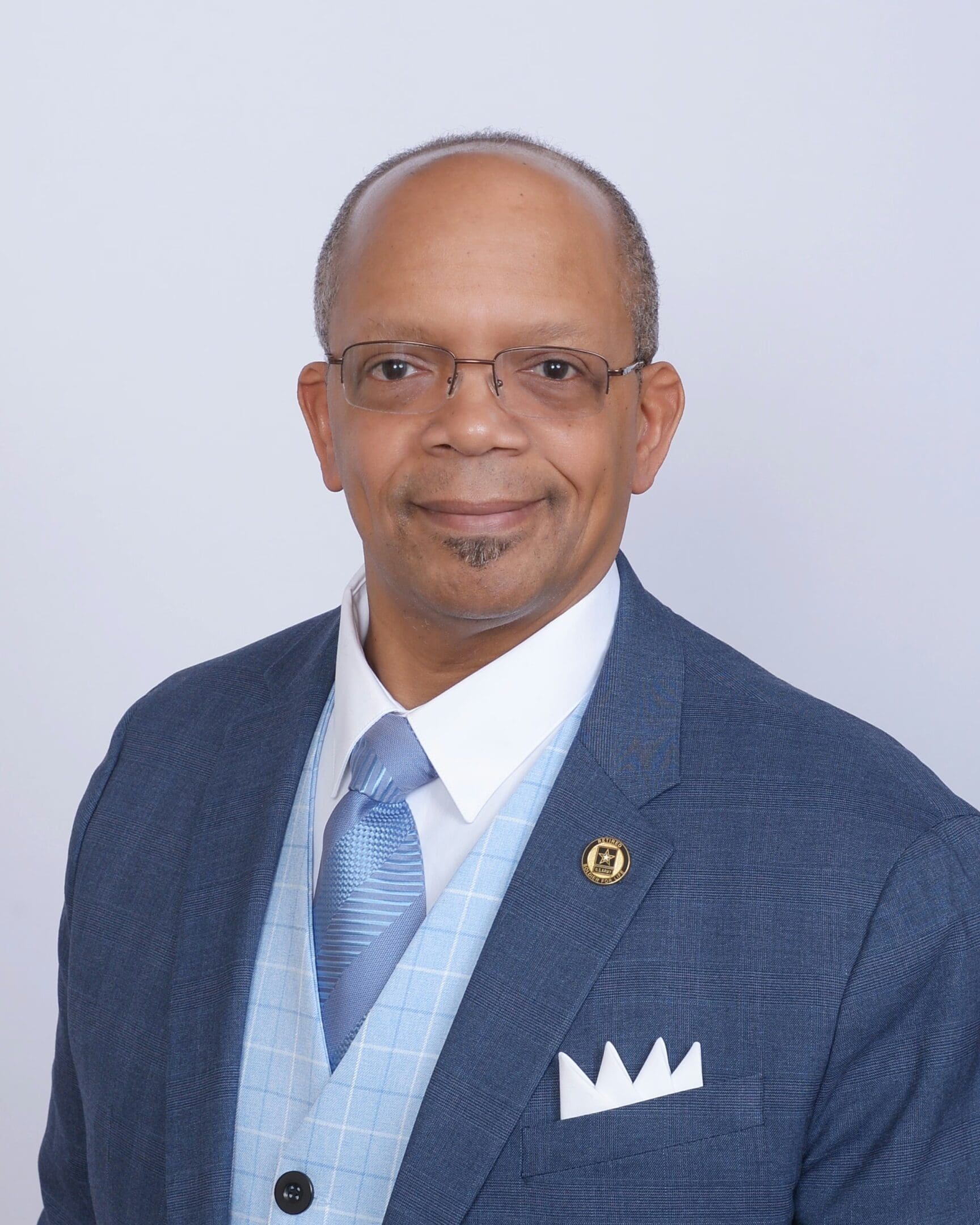
Dr. Burl Randolph, Jr., DM, Founder, MyWingman, LLC
Dr. Randolph is The Wingman for Inspired Leaders as he Inspires Legacies That Last (c). He coaches leaders to Find Your Purpose, Fulfill Your Mission, and Forge Your Legacy with Fervent Success. Schedule your Consultation without a Fee through the Contact Us page using the Let's Chat button or by email at info@mywingmanllc.com.
Let us be Your Wingman, using our expertise to inspire a legacy that lasts.

Leadership & Management Coaching
Looking for executive leadership or management coaching? Give us a call.

Strategic Planning
Gearing up for your next strategic planning session? Let’s Chat.
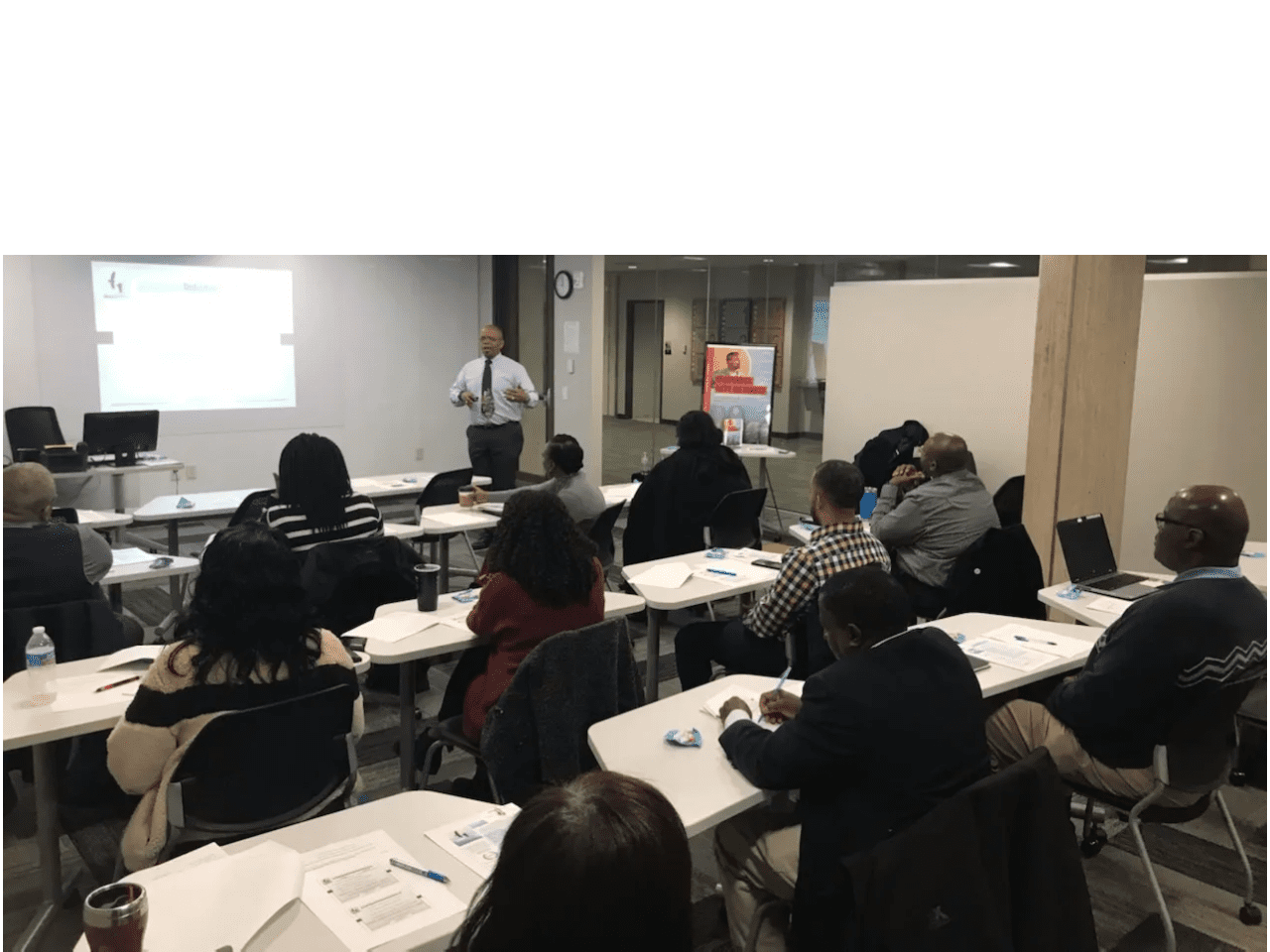
Corporate Training
Preparing for your next training session? Let’s Talk.

Writing Services
Need help writing your Great American Novel? Let us help.

Guest Speaker
Need a guest speaker? We can meet your needs.